How we plan

Technology that helps you feel more comfortable and informed.

From 3D imaging and digital impressions to lasers, guided implant surgery and comfort options: what each technology is for, and what it cannot do. The team will identify what is relevant to your visit.

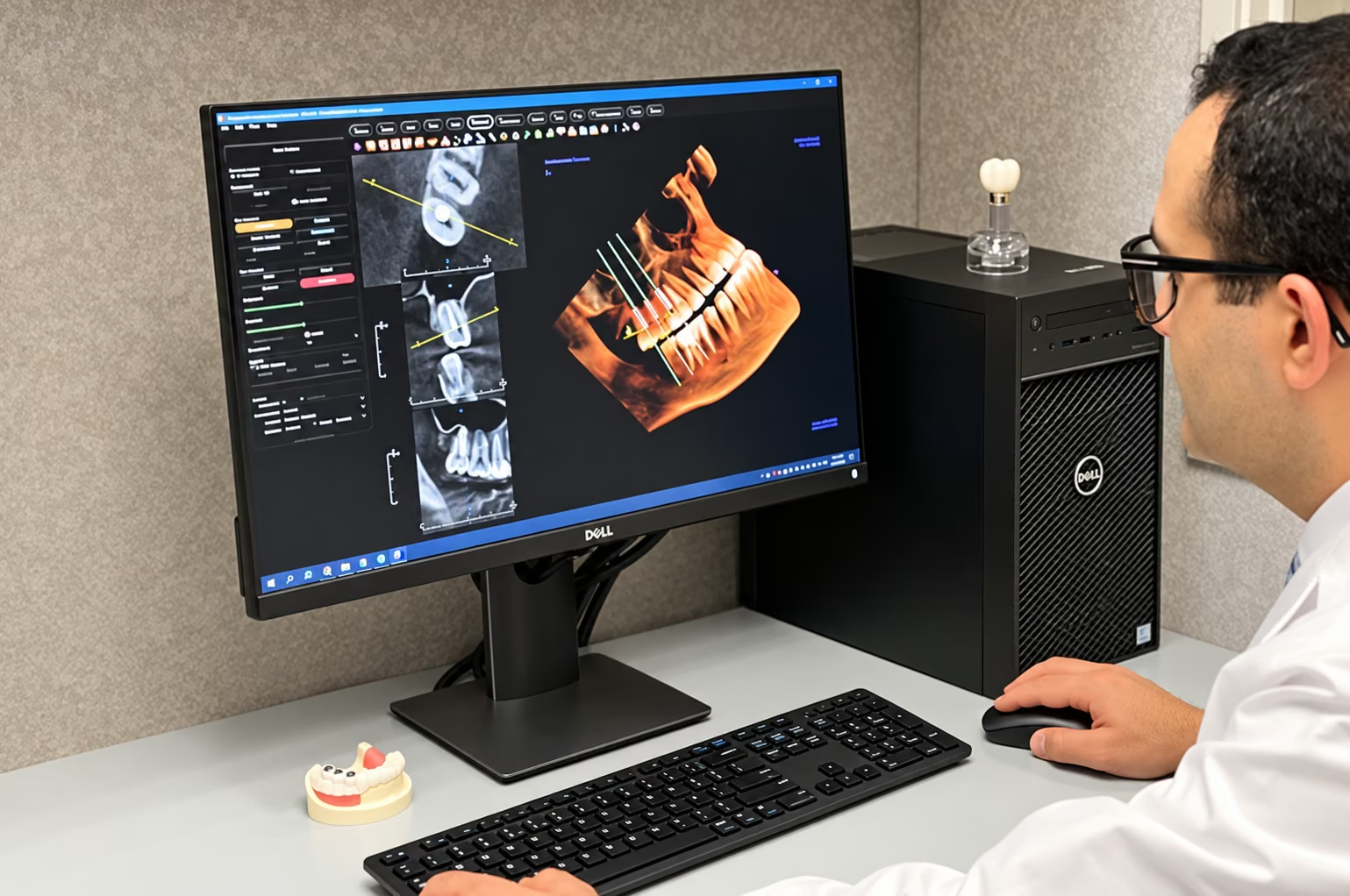
Dr. Pooya reviewing a 3D scan for treatment planning
Inside the practice
How we plan

The tools behind your care

A clearer picture can lead to a clearer plan.

These are the technologies the practice uses. Each one has a purpose and limits. Your clinician will explain which ones are relevant to your care, and why.

Diagnosis and screening

See clearly before deciding

  • 3D cone-beam CT (KaVo OP 3D)

    A three-dimensional X-ray of the teeth, jawbone, nerves and sinuses. It shows measurements a flat X-ray cannot, which helps plan implants and complex care. Your clinician recommends it only when the added detail is useful.

  • Digital impressions

    Intraoral scanners (Medit i600 and 3Shape TRIOS) capture a 3D model of your teeth with a small wand, in place of most putty impressions. The scan feeds straight into planning.
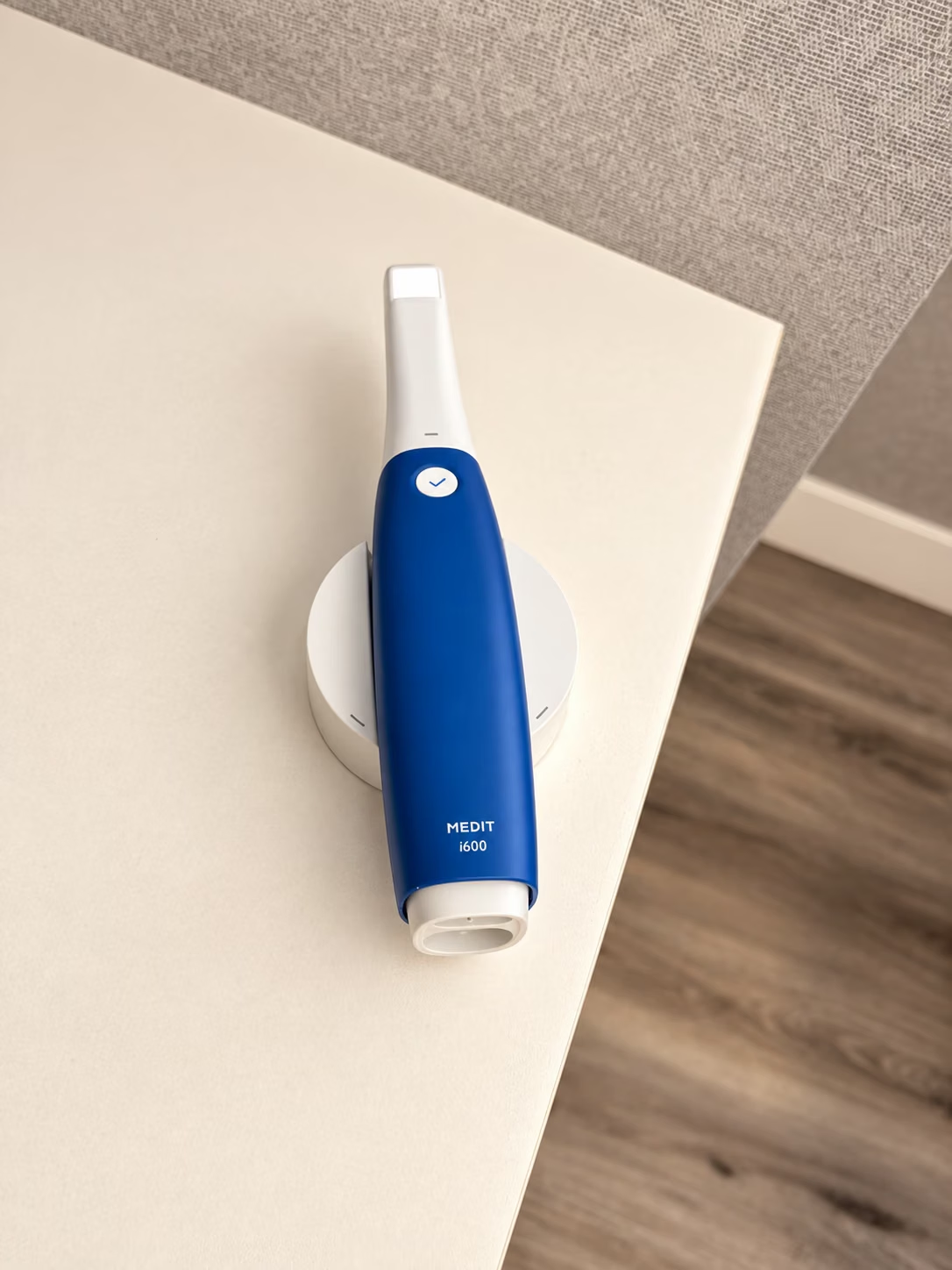
    Medit i600 intraoral scanner
  • Intraoral photography

    Close-up photos of your teeth and gums, so you can see what the team sees and ask informed questions.

  • VELscope Vx oral cancer screening

    A handheld light used during an oral cancer screening. Healthy and unusual tissue glow differently under it, which can help the clinician notice areas that need a closer look. It adds to the examination; it does not diagnose on its own.
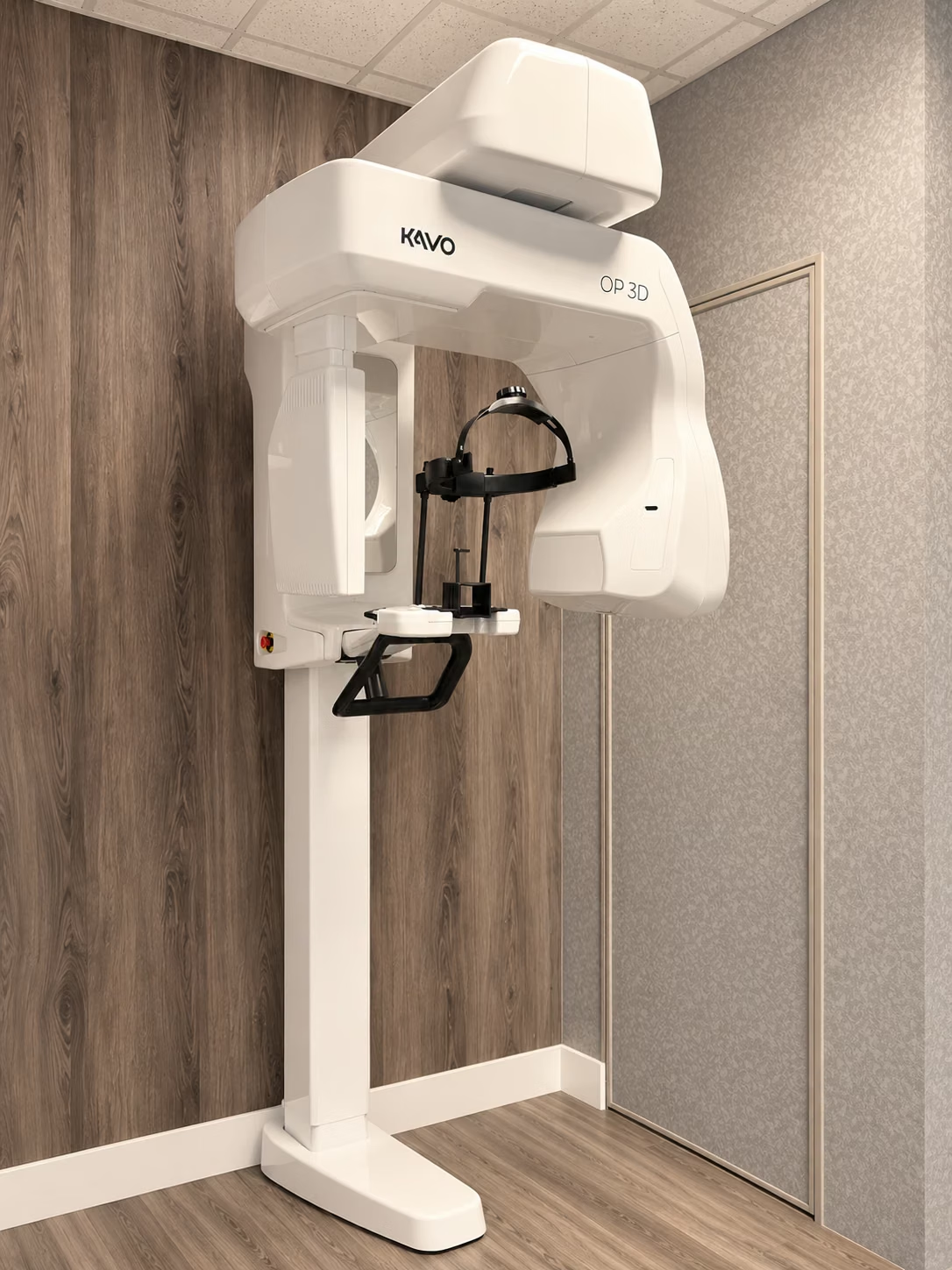
KaVo OP 3D cone-beam CT in the office

Planning and fabrication

Planned digitally, made precisely

  • Digital planning

    Scans, photographs and records come together to plan restorations and implant positions before treatment begins, drawing on Dr. Pooya’s training in digital prosthodontics.

  • 3D printing

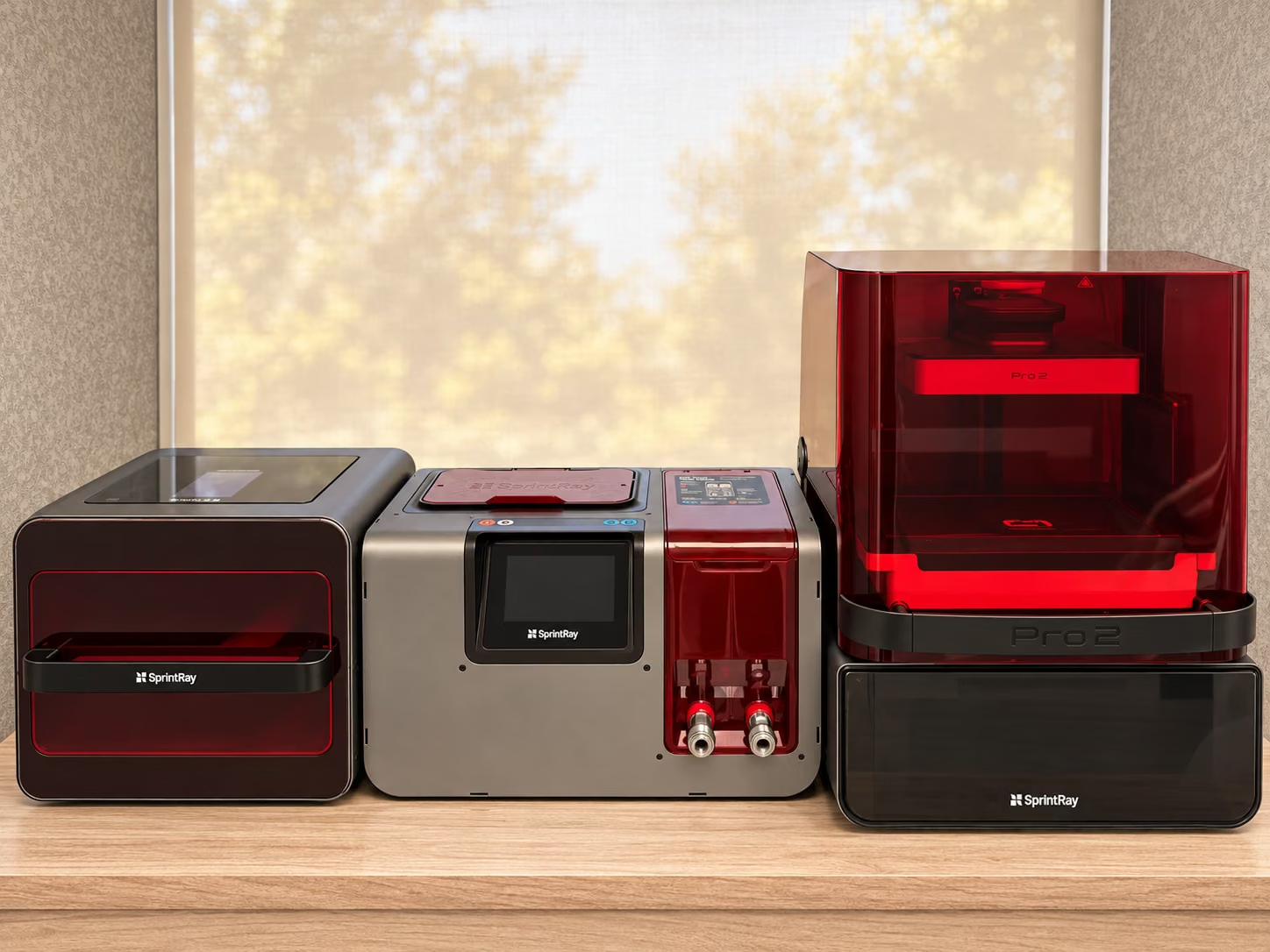
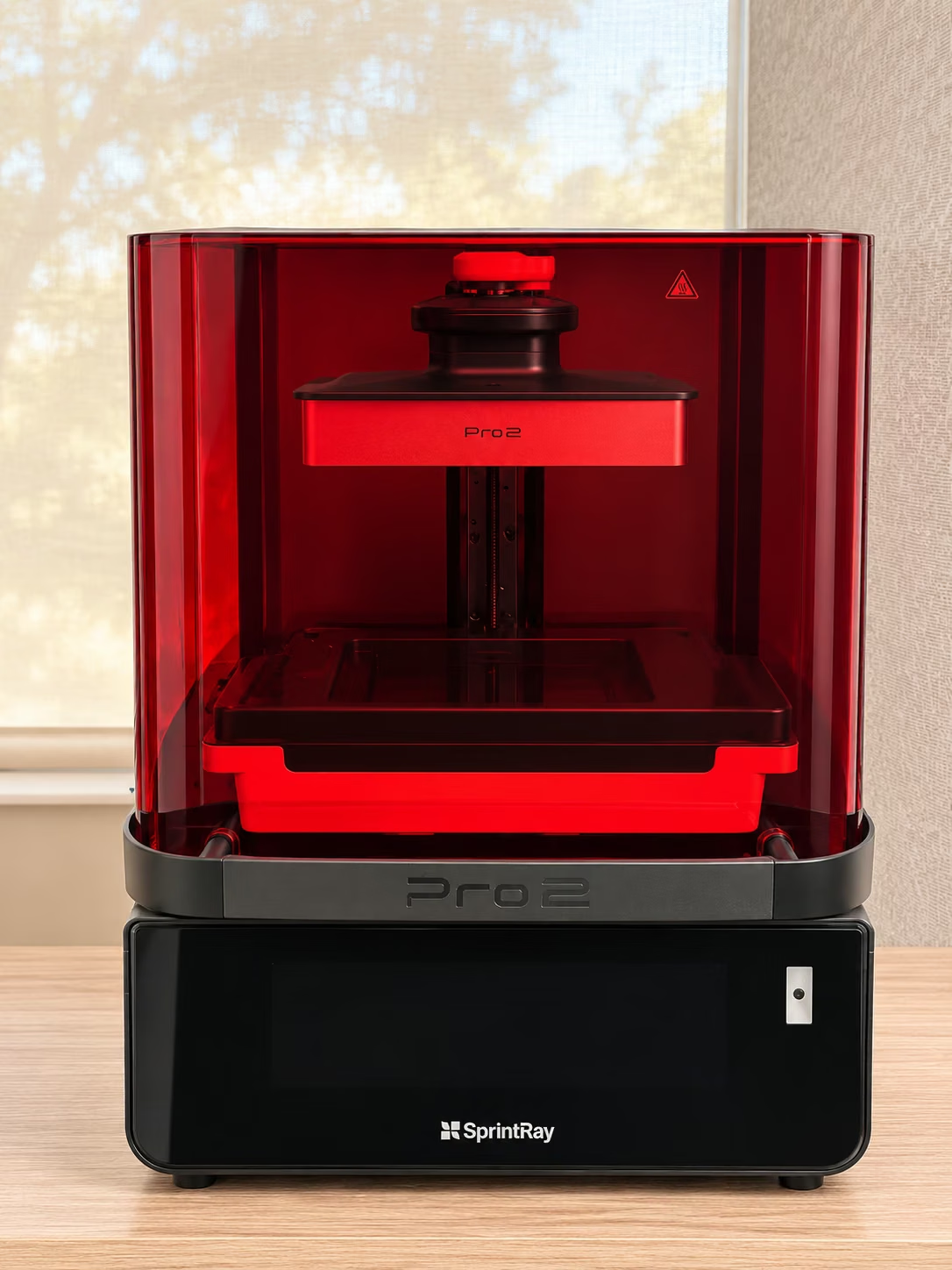
    With SprintRay printers, the practice can print study models, surgical guides and dentures, including removable dentures, directly from the digital plan.

    SprintRay Pro 2 3D printer
  • Guided implant surgery

    With the DIOnavi system, the implant position is planned on the 3D scan and carried into surgery by a printed guide, so the implant is placed where it was planned.

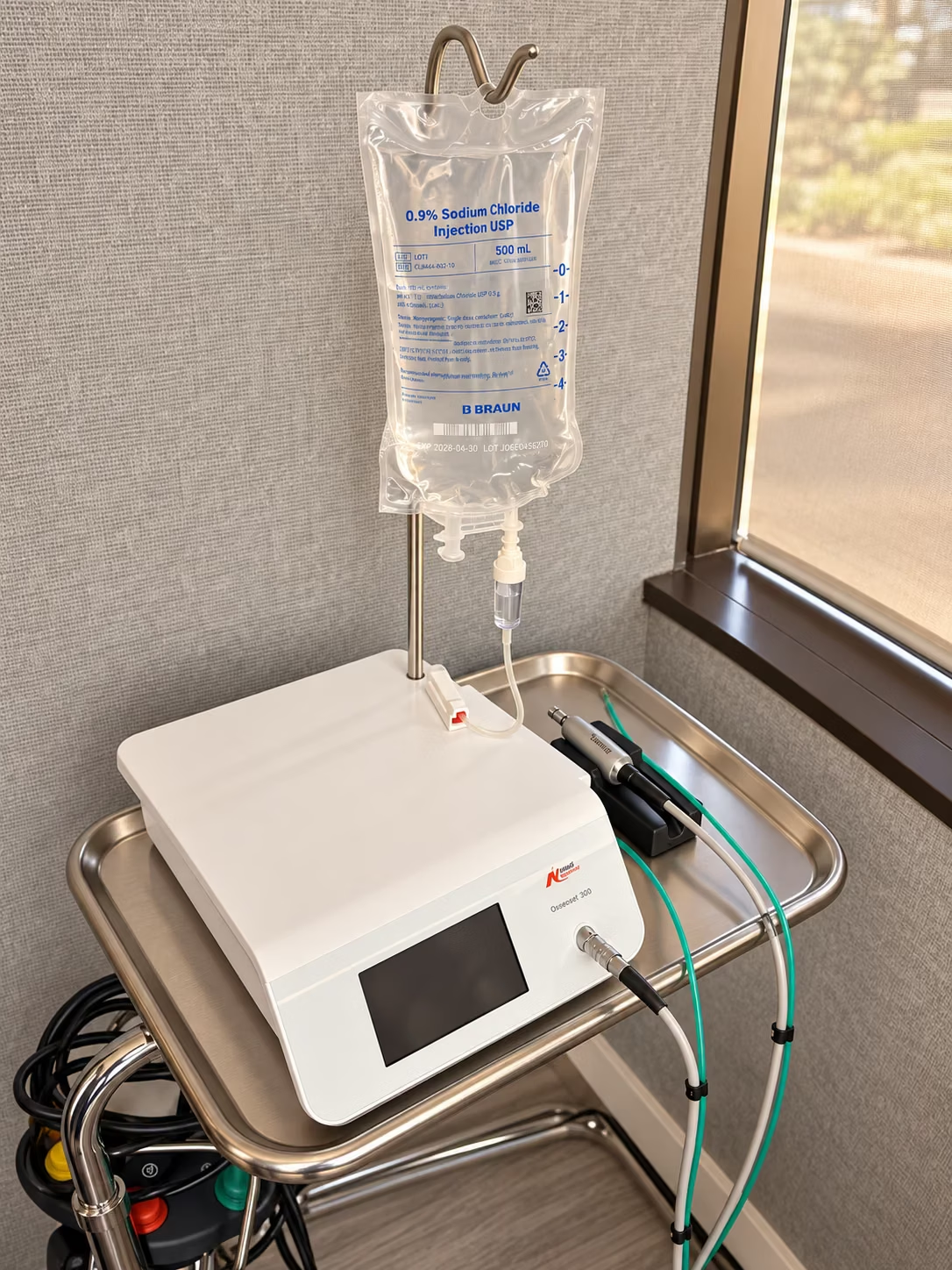
    Implant surgical motor
  • Piezosurgery

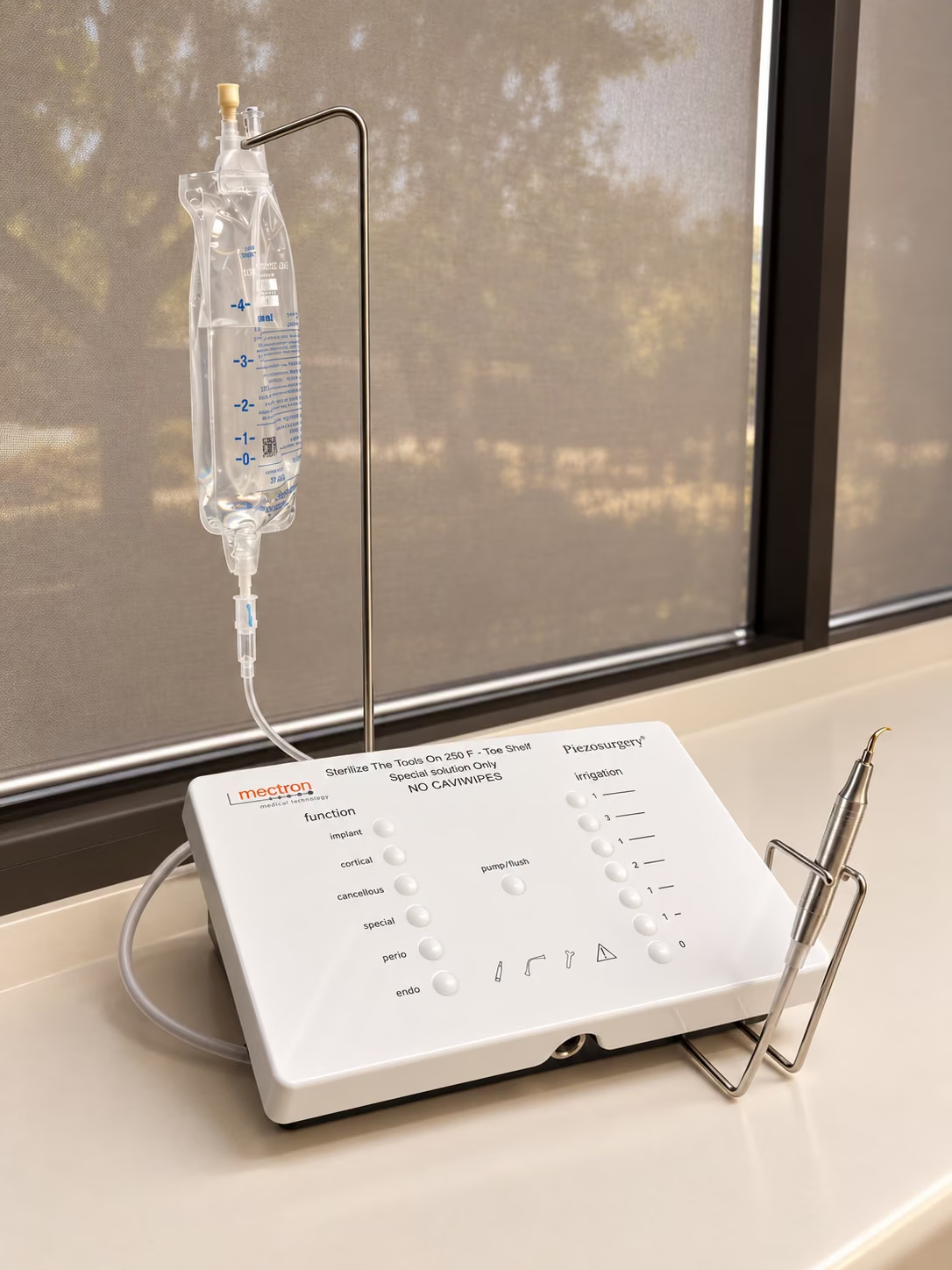
    Ultrasonic instruments (Mectron Piezosurgery) for precise bone work, such as preparing an implant site. They are designed to cut bone while being gentler on the surrounding soft tissue.

    Mectron Piezosurgery unit
  • UV activation of implants

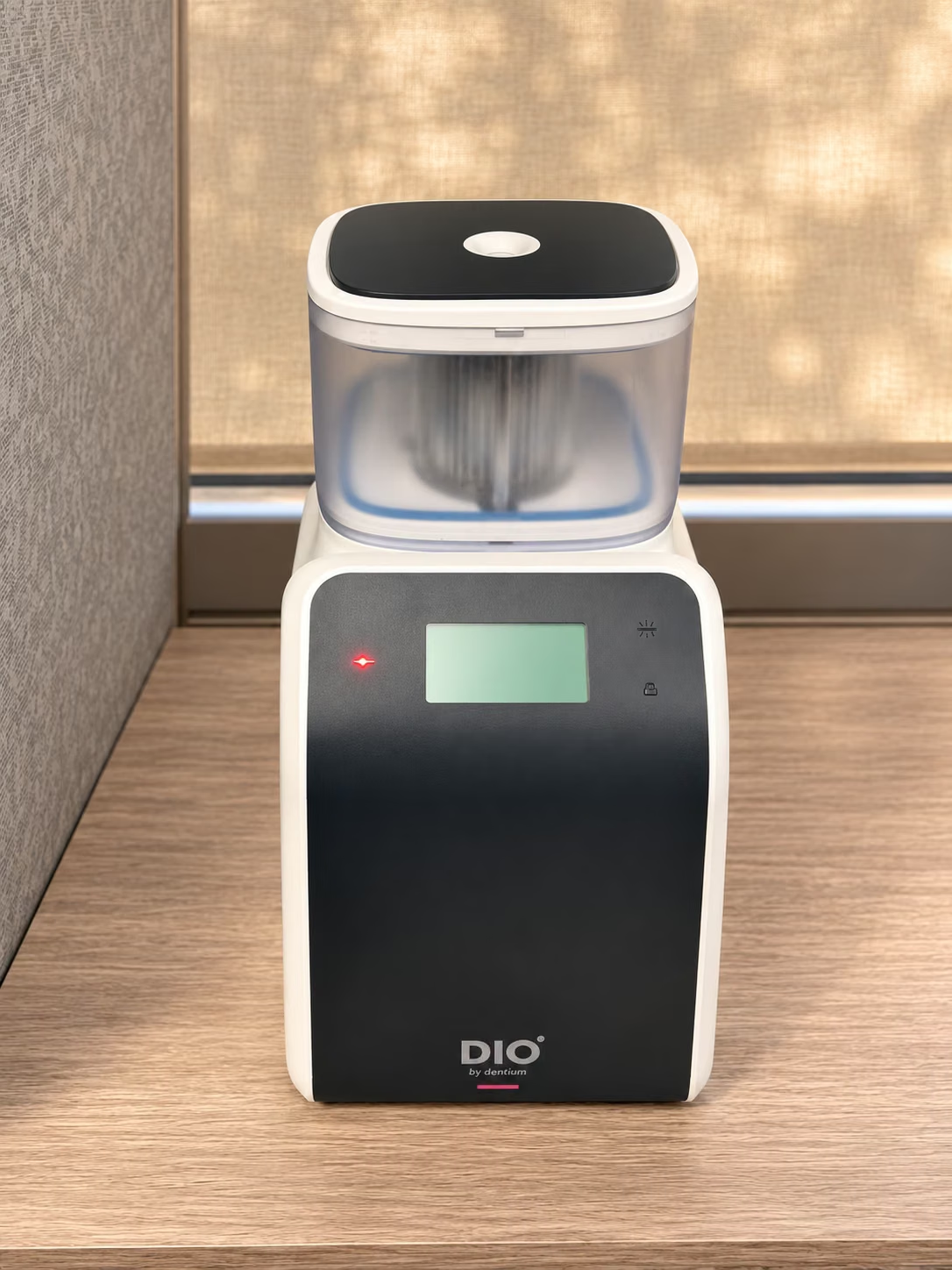
    Just before placement, a dental implant can be treated with ultraviolet light in a DIO UV activator, a process called photofunctionalization. Research suggests it may help bone attach to the implant surface. It supports a good result but cannot guarantee one.

    DIO UV activator for implants
Dr. Pooya’s published profileQuestions about dental implants
SprintRay 3D printer, wash and cure units

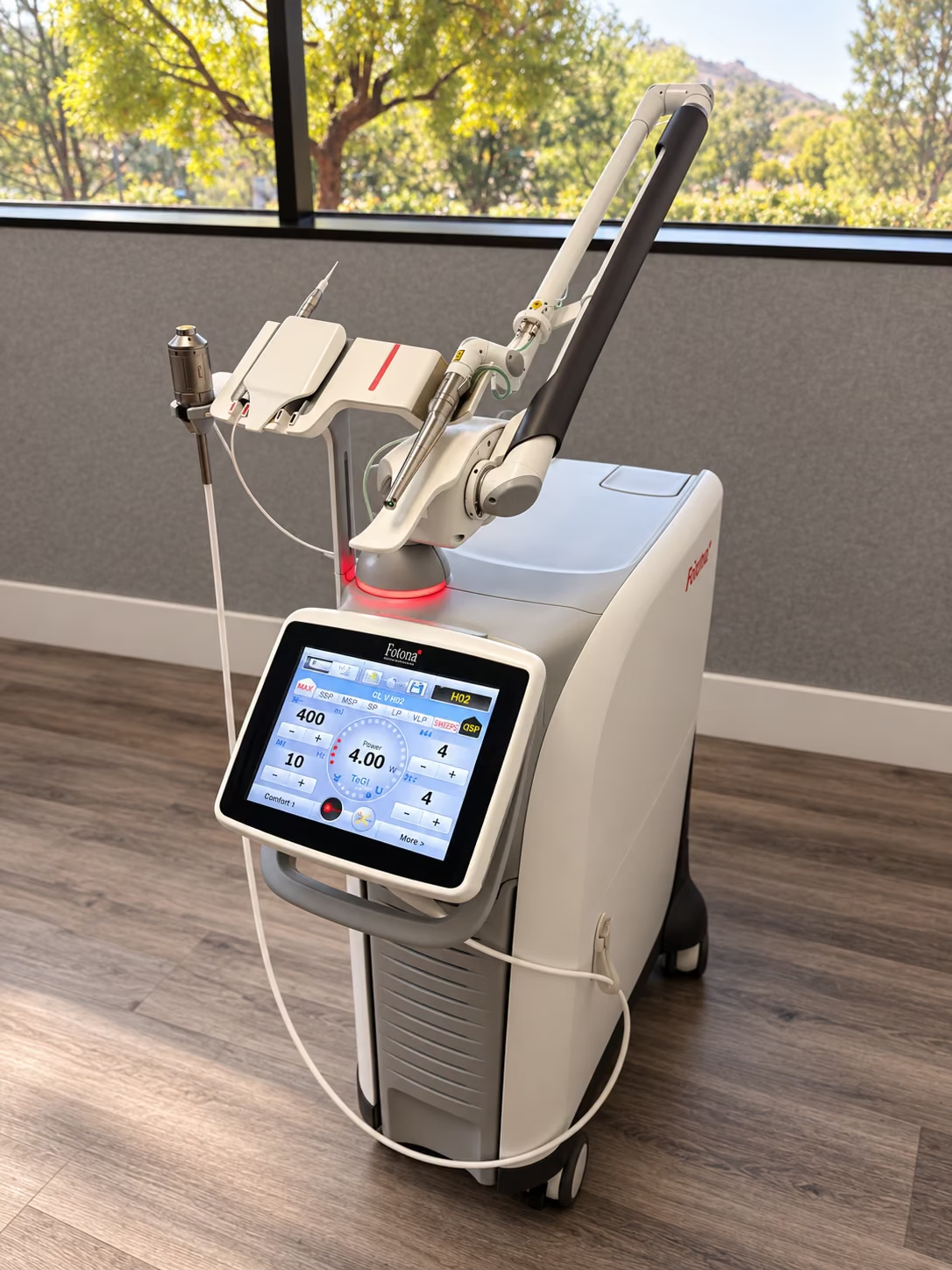
Fotona and diode lasers

Laser care

  • Laser removal of decay

    In suitable cases, the Fotona laser can remove decay and prepare a tooth, often with less vibration and noise than a drill, and sometimes with less need for anesthetic. Not every cavity is suitable; your clinician will explain.

  • NightLase for snoring

    A non-surgical laser treatment that gently warms the tissue at the back of the mouth to help reduce snoring. It is not a treatment for sleep apnea; if apnea is suspected, a medical sleep evaluation comes first.

  • LipLase for fuller lips

    A non-surgical laser treatment for natural-looking fuller lips, without injections or fillers. Changes are gradual and subtle, and results vary from person to person.

  • Diode laser for gum care

    Used alongside a cleaning to reduce bacteria in the pockets around the teeth, as part of caring for the gums.

  • Photobiomodulation

    Low-level laser light used to support comfort and tissue recovery, for example with jaw muscle discomfort. Evidence is still developing, and your clinician will discuss whether it fits your care.

Questions about laser dentistry
Fotona laser

Jaw muscles and whitening

Jaw comfort and a brighter smile

  • Botox for jaw muscle problems

    For some patients with jaw muscle pain, clenching or grinding, small injections of botulinum toxin can relax overworked jaw muscles. This is an off-label use; your clinician will review whether it is appropriate, its benefits and risks, and the other options.

  • KöR whitening

    A professional whitening system that combines custom trays worn at home with in-office treatment. Results depend on the starting shade and the type of staining, and crowns or fillings do not whiten.

Questions about teeth whitening
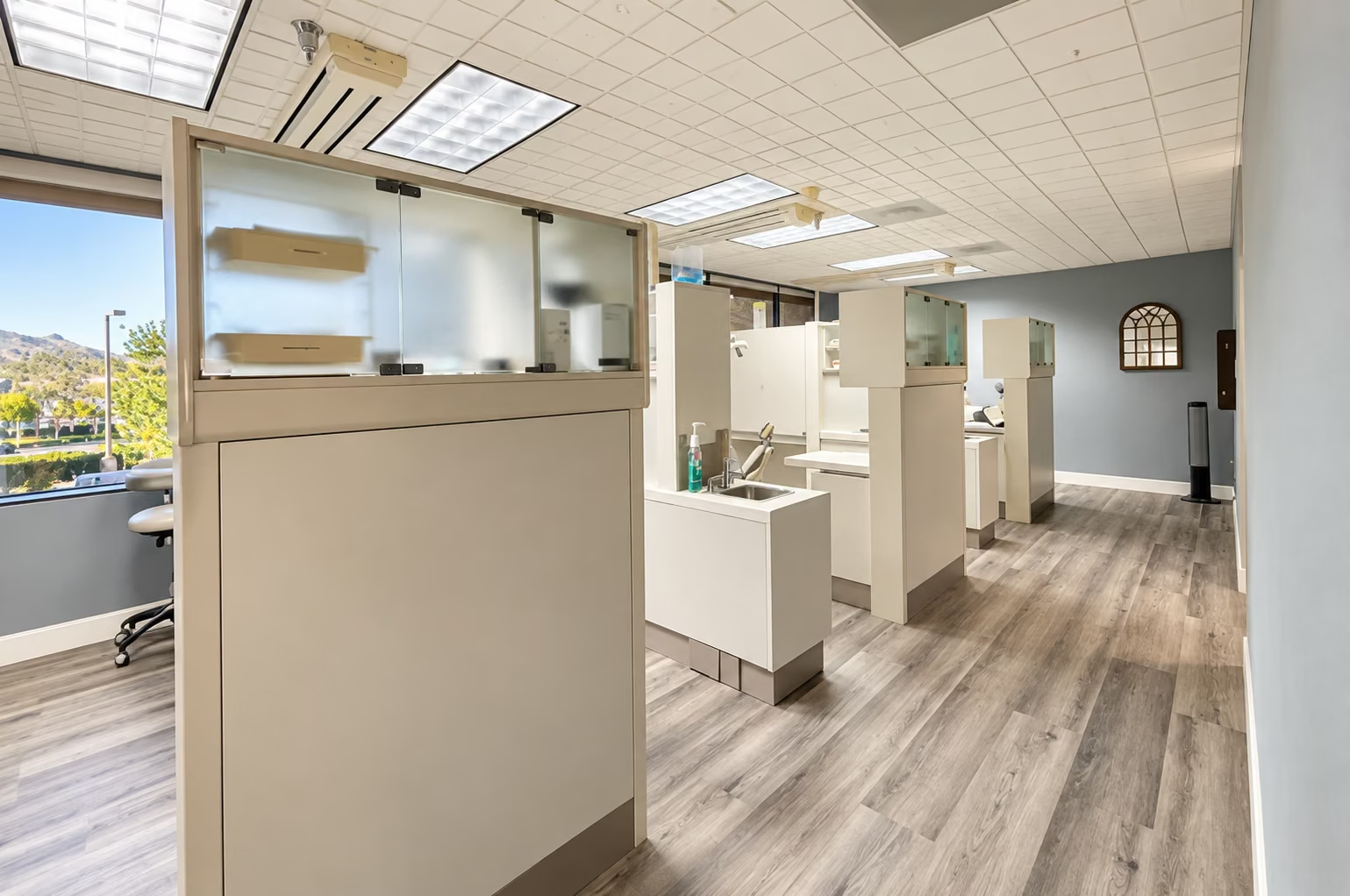
Treatment area with private partitions

Relaxation and sedation

Comfort during your visit

  • Nitrous oxide

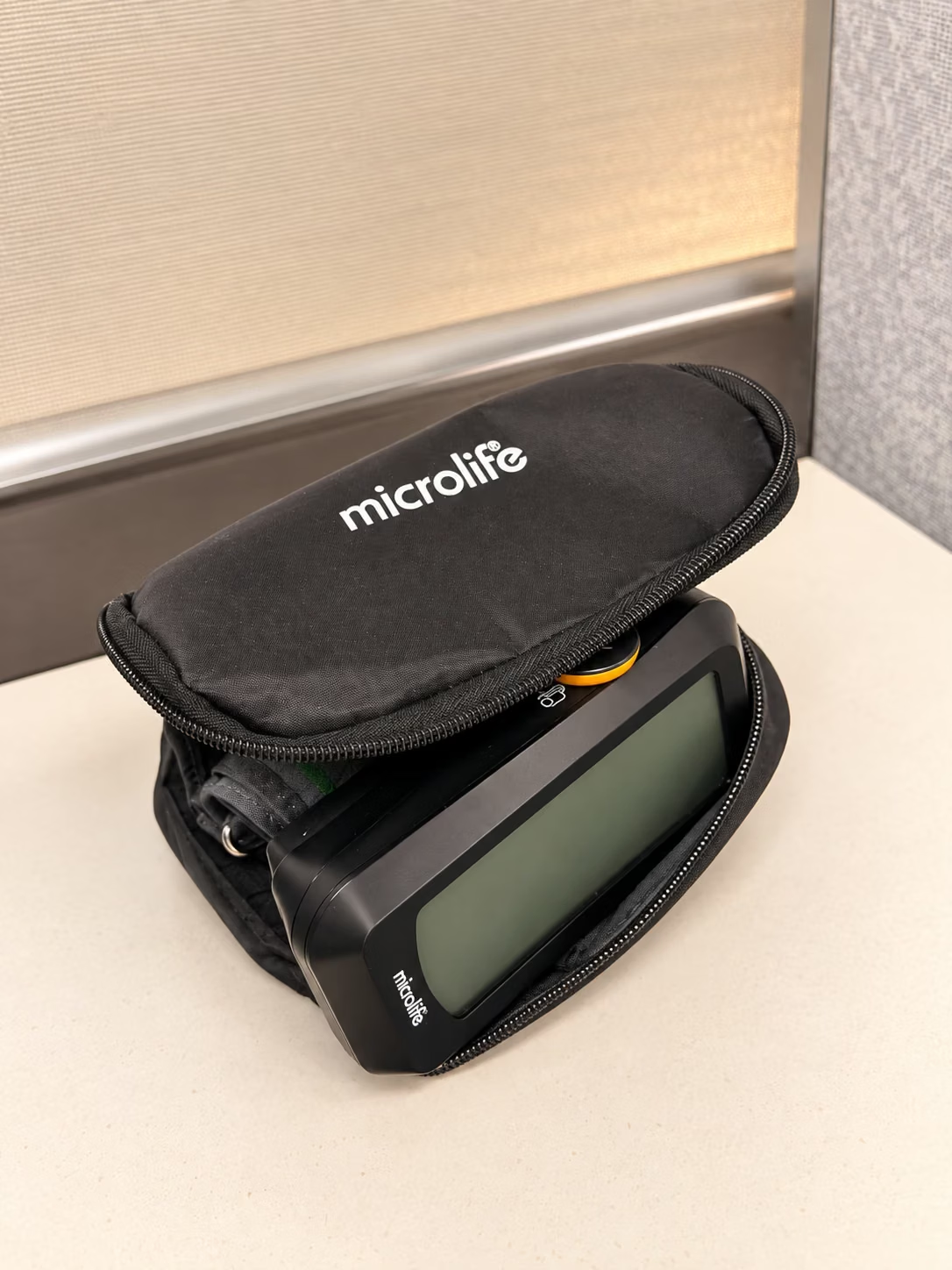
    Also called laughing gas. Breathed through a small nose mask, it helps many patients feel calmer. You stay awake and able to respond, it wears off soon after the mask is removed, and your blood pressure is checked when sedation is used.

    Blood pressure monitor
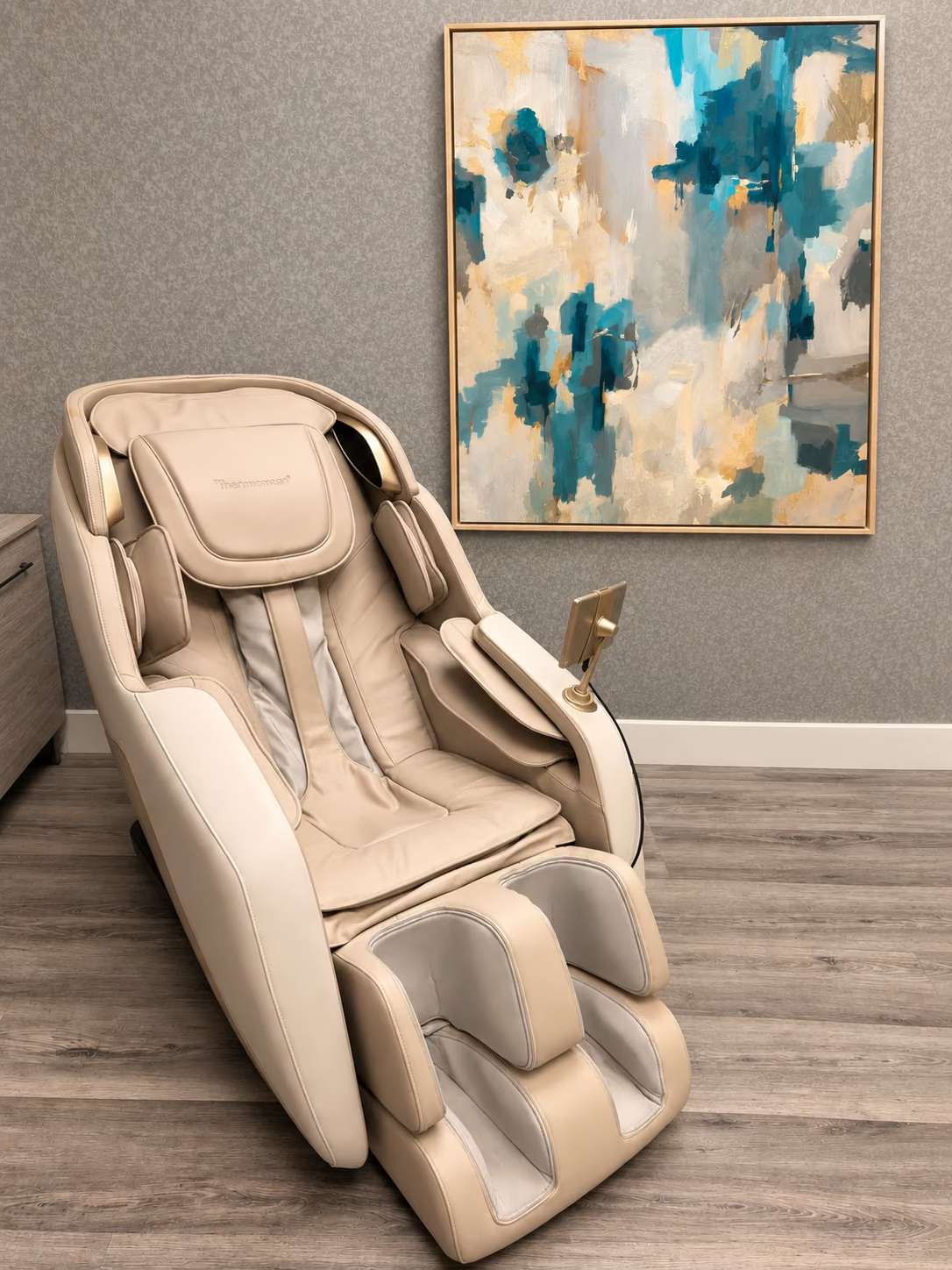
  • Massage chair

    The office has a massage chair to help you settle in and relax.

Questions about sedation
Massage chair in the office
Quick answers

How can we help?

Choose a question or call our team to schedule. For urgent concerns or personal advice, please call the office.

When are you open?

Monday through Thursday 8 am to 5 pm. Closed Friday through Sunday and on holidays; please call if you are unsure.

Do you take my insurance?

Our team can help with insurance billing and follow-up. Please confirm your plan’s benefits and network status with the office. Call with the name on your card and we will check your benefits before your visit. CareCredit financing is available.

What happens at a first visit?

We begin by listening to your concerns and goals. The clinician can then explain findings, possible options, and next steps.

Can I send medical records here?

This website does not collect medical information. Call the office for its approved secure way to share records.

How do I make an appointment?

Call during office hours to compare times. You may email a general question, but email does not reserve an appointment. Please do not email private health information.

What if I need to cancel?

Call during office hours at least 48 hours ahead. Missed appointments, or cancellations with less than 48 hours’ notice, carry a $75 fee per hour scheduled (for established patients, from the second time). The full policy is in the patient forms.

Call the officePlan a visit