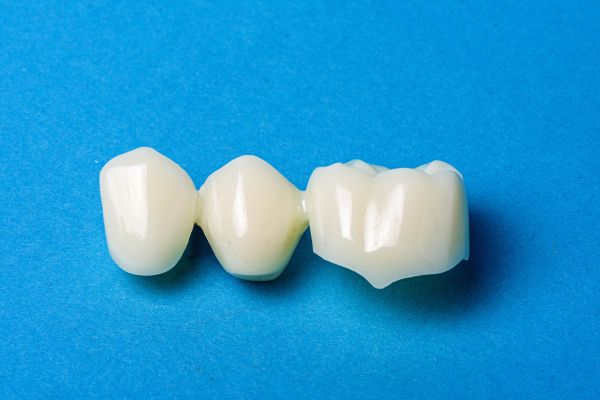
Are Dental Bridges Better Than Flipper Teeth?

Are you looking to replace a missing tooth? There are many options out there, including dental bridges and flipper teeth. While both restorations fill the gap in your smile, there are fundamental differences in how they can affect your daily life. Understanding these differences helps you make an informed decision about restorative dental care.
Understanding dental bridges
Dental bridges are fixed prosthetic devices designed to replace one or more missing teeth. They consist of artificial teeth anchored in place by crowns attached to adjacent natural teeth on either side of the gap or dental implants. Since dental bridges are permanently secured, they provide stability that closely mimics natural teeth.
However, for traditional dental bridges, the prosthodontist will need to shave down the adjacent teeth to support the restoration. This is the case unless implant-supported bridges are used. The permanent alteration of healthy tooth structure is an important consideration in treatment planning, as it increases the risk of tooth decay.
What are flipper teeth?
Flipper teeth, also known as removable partial dentures, are lightweight acrylic appliances designed to temporarily replace missing teeth. They are commonly recommended as short-term solutions while patients wait for permanent restorations.
That said, flipper teeth are not intended for long-term use. The acrylic material is more prone to wear and fracture. Because they can be taken out, their stability may be affected while eating or speaking. Some patients feel discomfort or irritation in their gums because the appliance moves. Flippers also require more maintenance, as the patient needs to remove them daily for cleaning. Improper hygiene may lead to bacterial buildup or odor.
Dental bridges vs. flipper teeth: how to decide
Durability
Dental bridges are generally more durable than flipper teeth. Fixed bridges are designed for long-term use and can withstand normal biting forces, minimizing the risk of shifting. In contrast, flipper teeth are temporary, and frequent removal increases the chance of damage or loss. Additionally, jawbone resorption can affect their fit over time, requiring adjustments and replacements.
Comfort
Comfort is another important factor to consider when choosing a dental restoration. Bridges are cemented in place, allowing them to feel like natural teeth when they are properly adjusted. Patients also do not need to remove them while chewing food. Meanwhile, flipper teeth may initially feel bulky. Movement during chewing can cause sore spots, particularly if the fit changes over time.
Cost
Flipper teeth are typically more affordable than dental bridges, making them ideal for patients who need a temporary tooth replacement. Dental bridges require a higher upfront investment due to the materials, laboratory fabrication, and procedural complexity involved. That said, patients should consider the long-term value, as flippers will likely require frequent repairs, which will offset the initial savings.
Make the right choice for your smile goals
Deciding which restoration fits your life requires balancing immediate needs with future health. While a flipper might solve a cosmetic issue with your smile, a dental bridge provides the structural integrity you need for a functional and beautiful smile. If you are ready to discuss which option is best for your unique circumstances, call our Anaheim office to schedule a consultation.
Request an appointment here: https://www.orangecountyprosthodontics.com or call Orange County Prosthodontics at (714) 262-4210 for an appointment in our Anaheim office.
Check out what others are saying about our dental services on Yelp: Dental Bridges in Anaheim, CA.
Related Posts
Prosthodontists often recommend dental crowns when fillings are not enough to restore smile function or appearance. This is because crowns are a versatile solution for teeth that are severely damaged, worn down, or decayed. They always contain strong materials like gold, silver, or porcelain, the latter of which can also match the shade of natural…
Dentures can help restore chewing ability, speech clarity, and facial support when several teeth or a full arch are missing. Comfort, however, depends on more than the appliance itself. A secure fit, healthy gum tissue, proper bite balance, and regular adjustments all play important roles. Our prosthodontist can design a tooth replacement plan that supports…
You may have never seen a prosthodontist before, but this professional could be the key to restoring your smile. Losing or damaging a tooth can be a serious issue — one that you do not want to ignore or take lightly. It is vital to treat this condition promptly and effectively. Fortunately, this dentist has…
Scheduling an evaluation for Botox® for TMJ treatment is a practical way to address chronic jaw tension and facial discomfort. Experiencing persistent discomfort in the jaw can significantly disrupt an individual’s daily routines and overall quality of life. For many people, finding an effective Botox treatment for TMJ offers a pathway to managing chronic facial…