When Would a Prosthodontist Recommend Dental Crowns?

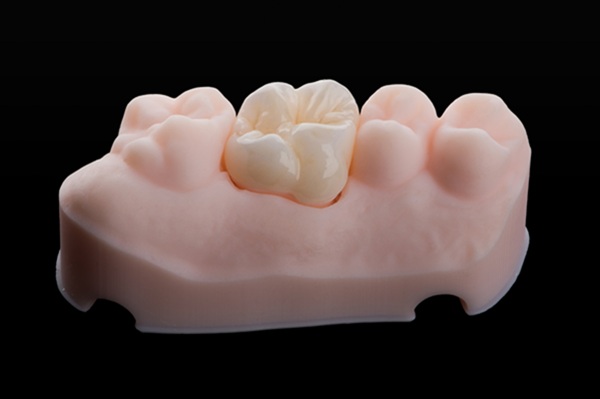
Prosthodontists often recommend dental crowns when fillings are not enough to restore smile function or appearance. This is because crowns are a versatile solution for teeth that are severely damaged, worn down, or decayed. They always contain strong materials like gold, silver, or porcelain, the latter of which can also match the shade of natural teeth. Their durability and versatility make them a key tool in prosthodontic care.
3 reasons why prosthodontists recommend dental crowns
Dental crowns serve as more than just a solution for restoring damaged teeth. In many treatment plans, a prosthodontist may recommend crowns to enhance long-term outcomes, maintain oral function, and improve smile symmetry. Below, explore three common reasons why prosthodontists may recommend a crown to a patient.
Restore strength to a root canal-treated tooth
When a tooth becomes severely infected or inflamed, a prosthodontist can remove the infected pulp tissue from inside the tooth and relieve pain. While this procedure effectively preserves the natural tooth and eliminates infection, the treated tooth is often left more fragile due to the removal of inner tooth material.
Prosthodontists may then place dental crowns over root canal-treated teeth to reinforce their structure. Since crowns fully cover teeth, they protect against potential fractures and help distribute biting forces more evenly. This additional layer of strength enables teeth to function normally and withstand daily use.
Replace teeth with the help of dental implants
Dental implants are a popular tooth replacement consisting of a titanium post that integrates with the jawbone to function as a secure foundation for the false tooth. While the implant itself serves as the root substitute, a dental crown is required to complete the restoration.
Dental crowns are custom-crafted to attach securely to the implant abutments and replicate the look and function of natural teeth. This framework restores chewing ability, maintains alignment by preventing neighboring teeth from shifting, and provides a natural appearance and feel. Prosthodontists specialize in fabricating implant crowns that fit precisely for optimal function and aesthetics.
Anchor a dental bridge
Dental crowns also serve as anchors, or abutments, in both traditional and implant-supported dental bridges. In cases where one or more teeth are missing, a prosthodontist may recommend a bridge to restore the space. A traditional bridge relies on the adjacent natural teeth for support. These supporting teeth are reshaped and fitted with crowns, which hold the artificial tooth (or pontic) in place.
Alternatively, implant crowns can support a bridge when adjacent natural teeth are not ideal candidates for crowns. In either approach, dental crowns provide the necessary stability and retention for the bridge to function effectively. Anchoring a bridge with crowns not only improves biting and speaking abilities but also prevents changes in facial structure and maintains smile alignment.
Ask a prosthodontist about dental crowns
Dental crowns can restore teeth on their own or as part of a more comprehensive treatment, such as root canal therapy or tooth replacement. To learn more, contact our Anaheim office for an appointment. A prosthodontist can answer any questions you may have about crowns during a consultation.
Request an appointment here: https://www.orangecountyprosthodontics.com or call Orange County Prosthodontics at (714) 262-4210 for an appointment in our Anaheim office.
Check out what others are saying about our dental services on Yelp: Dental Crowns in Anaheim, CA.
Related Posts
Are you looking to replace a missing tooth? There are many options out there, including dental bridges and flipper teeth. While both restorations fill the gap in your smile, there are fundamental differences in how they can affect your daily life. Understanding these differences helps you make an informed decision about restorative dental care.Dental bridges…
You may have never seen a prosthodontist before, but this professional could be the key to restoring your smile. Losing or damaging a tooth can be a serious issue — one that you do not want to ignore or take lightly. It is vital to treat this condition promptly and effectively. Fortunately, this dentist has…
Scheduling an evaluation for Botox® for TMJ treatment is a practical way to address chronic jaw tension and facial discomfort. Experiencing persistent discomfort in the jaw can significantly disrupt an individual’s daily routines and overall quality of life. For many people, finding an effective Botox treatment for TMJ offers a pathway to managing chronic facial…
Snoring treatment from a prosthodontist often begins with a simple question: Is the sound only disruptive, or is it a sign of something more serious? Since snoring can range from a nuisance to a warning sign of sleep-disordered breathing, the right plan starts with understanding the cause and severity of the issue. From there, a…